Posts

Ingestible sensor to non-invasively monitor indicators of disease

Image
Researchers have made an ingestible sensor to non-invasively monitor indicators of disease within the stomach and digestion tracts . The capsule carries genetically designed bacteria that sense particular substances within the intestine. The other components built into the one-and-a-half-inch capsule incorporate phototransistors, a custom integrated circuit, a small battery, and a radio transmitter. This is the primary demonstration of the technology, and it employments bacteria that were genetically built to sense blood within the intestine. In case there's blood show, the bacteria will glow. The phototransistor recognizes the glow, activating the radio transmitter to send a signal to a computer or smartphone, detailing that blood has been detected. The test was done in pigs, which were first nourished a weaken solution containing traces of blood. The sensor effectively detected and detailed, by radio signal, that there was blood within the stomach of the pig. The test...
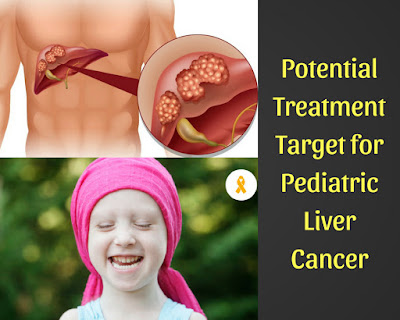
Potential Treatment Target for Pediatric Liver Cancer

Image
HBL is the most common sort of pediatric liver cancer and affects children amid the primary three years of life. In spite of the fact that generally survival rates for these patients have improved over the years, significant numbers of them see their cancer spread, or they confront aggressive, therapy-resistant tumors that cannot be expelled surgically. A protein within the cell nucleus already focused on therapeutically for a few types of cancer has presently been connected to an aggressive shape of pediatric liver cancer called hepatoblastoma (HBL). Researchers conducted extensive biological and hereditary tests on given HBL tumor samples and found profoundly raised levels of the protein PARP1 in patients with this cancer. PARP1 alters chromatin structure within the cell nucleus to drive the chemotherapy-resistant shape of liver cancer. An FDA-approved medicate called Olaparib that blocks PARP1 is already utilized to treat other types of cancer. In the tests on human liver t...

Nanoparticle-based platform for detecting Esophageal cancer cells

Image
Esophageal cancer , the seventh leading cause of cancer death worldwide, is responsible for nearly 15,850 deaths (12,850 men and 3,000 women) from this disease occur each year. Esophageal cancer is the most common cause of cancer death among men. It has few symptoms and is often diagnosed at a later stage. The five-year survival rate is less than 20 percent. Researchers have created a modern nanoparticle-based stage for synchronous imaging and treatment of esophageal cancer. They have fabricated polypeptide nanoparticles, which have close infrared fluorescence for superior tissue imaging. They too altered the nanoparticles with tumor focusing on properties and at that point loaded the nanoparticles with a chemotherapy drug. It is harder to distinguish the esophageal cancer tumor. One common detection strategy is the use of an endoscopic probe, which sparkles a white light through your throat. But the problem is the tumor is implanted within the normal tissue and difficult to ...

A healthy gut : better recovery from spinal cord injury

Image
Our gut microbiota communicates with the central nervous system (CNS) by collaboration with immune cells and discharging metabolites that pass through the blood-brain barrier. Most (~70-80 percent) immune cells within the body are found inside gut-associated lymphoid tissues . The influence of our gut microbes is far-reaching. From boosting the adequacy of chemotherapy to influencing obesity risk in youth, the gut microbiome is unimaginably important for our body's overall health. In addition to the more obvious impacts of traumatic spinal line injuries, the researchers say they have auxiliary impacts, counting loss of bowel control, which can cause disturbance to the gut microbiome. Named "dysbiosis," this disruption happens when "good" bacteria are drained or invade by "bad" bacteria within the gut. Previously, autoimmune illnesses - such as multiple sclerosis and type 1 diabetes - have been connected to dysbiosis, and the researchers say i...

Surgery in a Pill

Image
The detailed results of a preclinical think about in which an oral agent was managed to convey a substance that temporarily coat the intestine to anticipate nutrient contact with the lining within the proximal bowel and dodge post-meal spikes in blood sugar. A pill that a patient can take before a meal that momentarily coats the intestine to imitate the impacts of surgery. Over the final decade, bariatric specialists have made strides in performing weight loss surgery that not only turns around obesity but can too invert type 2 diabetes in patients with both conditions. In spite of dramatic advancements in quality of life and diabetes abatement, however, the number of patients who seek after surgery remains generally low. To counter these low numbers, Researchers collaborate to discover a less invasive but similarly successful treatment for reversing sort 2 diabetes, one that can offer the same benefits as surgery but which will have more extensive request and application. ...

New link between Gut Microbiome and Artery Hardening

Image
The level of differences of the 'good bacteria' in our digestive systems has been found to be connected to a cardiovascular disease -- hardening of the arteries. The gut microbiome is beneath expanding investigation in medical research because it is known to influence numerous diverse viewpoints of our health, counting our metabolism and auto-immune system. A lack of differing qualities or range of solid microbes within the intestine has already been connected to different health issues, counting diabetes, weight and inflammatory stomach and bowel diseases. Presently for the primary time, researchers have found a link between gut microbes and blood vessel stiffening which proposes that focusing on the microbiome through diet, pharmaceutical and probiotics may be a way to diminish the hazard of cardiovascular disease. The intestine microbiome has been embroiled in a variety of potential disease mechanisms counting inflammation which can incline individuals to heart dis...

Gut bacteria protects cancer patients and pregnant women from Listeria

Image
Listeria monocytogenes is a major pathogen obtained by eating contaminated food, but healthy grown-ups can generally battle off an infection after suffering, at most exceedingly bad, a couple of days of gastroenteritis . In any case, a few people, counting infants, pregnant ladies, and immune-compromised cancer patients, are helpless to more serious forms of listeriosis, in which the bacterium get away the gastrointestinal tract and disseminates all through the body, causing septicemia, meningitis, and, in numerous cases, death. Researchers have found that microbes living within the gut provide a first line of defense against extreme Listeria diseases. The study recommends that giving these microbes within the frame of probiotics seem secure people who are especially vulnerable to Listeria, counting pregnant women and cancer patients experiencing chemotherapy. Patients with a few shapes of cancer are as much as 1,000 times more likely to develop listeriosis, conceivably si...