Posts

New link between Gut Microbiome and Artery Hardening

Image
The level of differences of the 'good bacteria' in our digestive systems has been found to be connected to a cardiovascular disease -- hardening of the arteries. The gut microbiome is beneath expanding investigation in medical research because it is known to influence numerous diverse viewpoints of our health, counting our metabolism and auto-immune system. A lack of differing qualities or range of solid microbes within the intestine has already been connected to different health issues, counting diabetes, weight and inflammatory stomach and bowel diseases. Presently for the primary time, researchers have found a link between gut microbes and blood vessel stiffening which proposes that focusing on the microbiome through diet, pharmaceutical and probiotics may be a way to diminish the hazard of cardiovascular disease. The intestine microbiome has been embroiled in a variety of potential disease mechanisms counting inflammation which can incline individuals to heart dis...

Gut bacteria protects cancer patients and pregnant women from Listeria

Image
Listeria monocytogenes is a major pathogen obtained by eating contaminated food, but healthy grown-ups can generally battle off an infection after suffering, at most exceedingly bad, a couple of days of gastroenteritis . In any case, a few people, counting infants, pregnant ladies, and immune-compromised cancer patients, are helpless to more serious forms of listeriosis, in which the bacterium get away the gastrointestinal tract and disseminates all through the body, causing septicemia, meningitis, and, in numerous cases, death. Researchers have found that microbes living within the gut provide a first line of defense against extreme Listeria diseases. The study recommends that giving these microbes within the frame of probiotics seem secure people who are especially vulnerable to Listeria, counting pregnant women and cancer patients experiencing chemotherapy. Patients with a few shapes of cancer are as much as 1,000 times more likely to develop listeriosis, conceivably si...

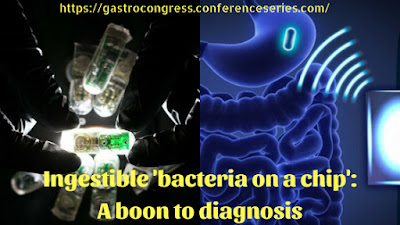
Ingestible bacteria-on-a-chip

Image
Bleeding within the stomach or other gastrointestinal issues can be analyzed by the ingestible sensor equipped with genetically built bacteria. This "bacterial-electronic system" approach combines sensors made from living cells with ultra-low-power hardware that change over the bacterial reaction into a wireless signal that can be examined by a smartphone. Biological signals within the body and in close real-time, can be recognized empowering modern diagnostic capabilities for human health applications by combining designed biological sensors at the side low-power remote gadgets. The researchers made sensors that react to heme, a component of blood, and appeared that they work in pigs. They moreover outlined sensors that can react to a particle that's a marker of inflammation. Within the past decade, engineered biologists have made extraordinary strides in designing bacteria to reply to boosts such as environmental toxins or markers of disease. These bacteri...

Development and validation of rapid point-of-care HCV assay

Image
Hepatitis C is a liver disease caused by the hepatitis C virus (HCV). The virus can result in chronic disease, which may lead to extreme complications such as cirrhosis and liver cancer many a long time later. Chronic infection with the hepatitis C infection influences roughly 1% of the worldwide population (71 million individuals) and claims 400,000 lives each year when it creates into serious disease. New direct-acting antivirals can effectively treat more than 95% of patients with chronic HCV contamination on the off chance that they are taken in time. In 2016, the WHO subsequently distributed a plan to dispense with this major risk for open health by 2030. But one of the major challenges distinguished by the WHO in endeavours to kill the hepatitis C infection (HCV) is the determination of chronic cases that are for the most part asymptomatic. Major advance is required for new symptomatic methods that can be "decentralized", in other words gotten to by populace...

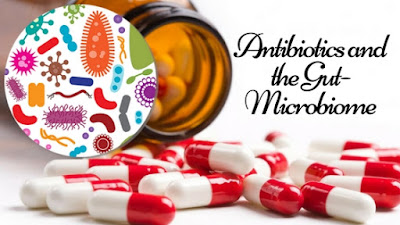
Antibiotics and the Gut-Microbiome

Image
The human microbiome can be affected by a superfluity of external and internal stimuli – from a change in diet, to contracting a disease. A common cause of microbiome depletion is the use of broad-spectrum antibiotics, such as penicillins. Chemotherapy also have antibacterial abilities which can lead to a reduction in microbiome diversity. When a person undergoes a course of antibiotics or chemotherapy, not only are the pathogenic organisms destroyed/disabled, so are a lot of the normal, healthy microflora. This can affect a variety of bodily systems, such as the digestive system and the immune system. The effects that antibiotics have on the microbiome depend on: ·         chemical nature of the antibiotic ·         duration of the course of antibiotics ·         number of antibiotics being used ·         dosage (more potent antibi...

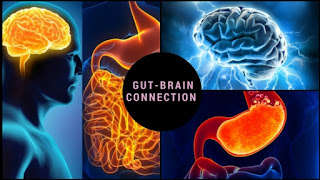
The gut-brain connection

Image
Gut-wrenching experience, feeling queasy, "butterflies" within the stomach - all these expressions are all for a reason. The gastrointestinal tract is unpretentious to emotion like outrage, uneasiness, sadness, joy. All of these sentiments (and others) can evoke symptoms within the intestine. The brain has a coordinate impact on the stomach. For case, the very thought of eating can discharge the stomach's juices some time recently food gets there. This association goes the either ways. A bothered intestine can send signals to the brain, just as a disturbed brain can send signals to the intestine. In this manner, a person's stomach or intestinal trouble can be the cause or the item of anxiety, stretch, or sadness. That's since the brain and the gastrointestinal (GI) system are intimately connected. Psychosocial variables impact the actual physiology of the intestine, as well as side effects. In other words, stress (or sadness or other psychological vari...

Iron supplements: Influence the development of colon cancer

Image
According to a new study, two common iron compounds increase the formation of a known biomarker for cancer. The two compounds, ferric citrate and ferric EDTA, are often used in dietary supplements and as a food additive respectively, in worldwide markets. Ferric citrate and ferric EDTA have both previously been shown to worsen tumour formation with colon cancer as per research. The effect of normal supplemental doses of these compounds on two types of cultured human colon cancer cells have done. As a comparison, they measured the effects of ferrous sulphate, another very ordinarily available iron compound. While ferrous sulphate had no effect, both ferric citrate and ferric EDTA caused an increase in cellular levels of amphiregulin , a biomarker for cancer. This was the case even at low doses.                               ...