Posts

Antibiotics and the Gut-Microbiome
Image
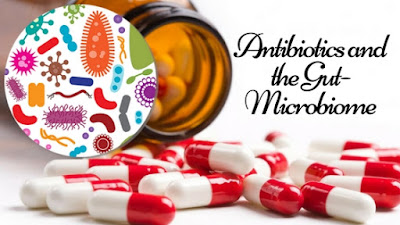
The human microbiome can be affected by a superfluity of external and internal stimuli – from a change in diet, to contracting a disease. A common cause of microbiome depletion is the use of broad-spectrum antibiotics, such as penicillins. Chemotherapy also have antibacterial abilities which can lead to a reduction in microbiome diversity. When a person undergoes a course of antibiotics or chemotherapy, not only are the pathogenic organisms destroyed/disabled, so are a lot of the normal, healthy microflora. This can affect a variety of bodily systems, such as the digestive system and the immune system. The effects that antibiotics have on the microbiome depend on: ·         chemical nature of the antibiotic ·         duration of the course of antibiotics ·         number of antibiotics being used ·         dosage (more potent antibi...
The gut-brain connection

Image
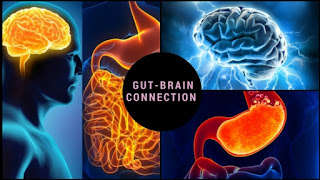
Gut-wrenching experience, feeling queasy, "butterflies" within the stomach - all these expressions are all for a reason. The gastrointestinal tract is unpretentious to emotion like outrage, uneasiness, sadness, joy. All of these sentiments (and others) can evoke symptoms within the intestine. The brain has a coordinate impact on the stomach. For case, the very thought of eating can discharge the stomach's juices some time recently food gets there. This association goes the either ways. A bothered intestine can send signals to the brain, just as a disturbed brain can send signals to the intestine. In this manner, a person's stomach or intestinal trouble can be the cause or the item of anxiety, stretch, or sadness. That's since the brain and the gastrointestinal (GI) system are intimately connected. Psychosocial variables impact the actual physiology of the intestine, as well as side effects. In other words, stress (or sadness or other psychological vari...

Iron supplements: Influence the development of colon cancer

Image
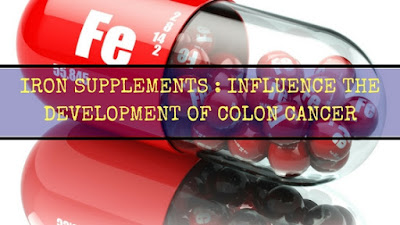
According to a new study, two common iron compounds increase the formation of a known biomarker for cancer. The two compounds, ferric citrate and ferric EDTA, are often used in dietary supplements and as a food additive respectively, in worldwide markets. Ferric citrate and ferric EDTA have both previously been shown to worsen tumour formation with colon cancer as per research. The effect of normal supplemental doses of these compounds on two types of cultured human colon cancer cells have done. As a comparison, they measured the effects of ferrous sulphate, another very ordinarily available iron compound. While ferrous sulphate had no effect, both ferric citrate and ferric EDTA caused an increase in cellular levels of amphiregulin , a biomarker for cancer. This was the case even at low doses.                               ...

Wearable system to monitor electrical activity in the stomach:

Image
A wearable, non-invasive system has been made to screen electrical development in the stomach over 24 hours which essentially is like an electrocardiogram for the digestive tract . Applications consolidate checking GI activity for understanding outside of a clinical setting, which decreases costs. Watching for longer period of time increments the likelihood of capturing irregular occasions. It has been found that the stomach's electrical development changes not as it were around suppers, but in addition in the midst of rest, taking after its possess circadian beat. The biggest challenge was designing algorithms that recognize and boost the stomach's electrical signals amid noise and artifacts. This is especially difficult to do because the stomach's electrical signals are 10 times weaker than the heart's, making them harder to capture and analyze. Afterwards, a modern algorithmic pipeline was created that can clean up the information and partitioned out sto...

A broccoli a day keep the cancer doctor away

Image
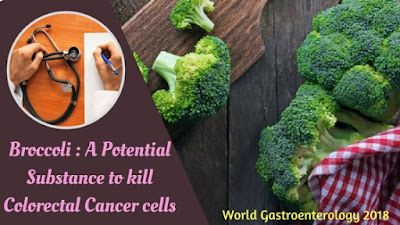
"Mothers are right after all, eating vegetables is important." Colorectal cancer is one of the most common cancers in the world, particularly the developed world. In spite of the fact that the 5-year survival rates for earlier stages of this cancer are moderately great, at later stages survival goes down and the chance of cancer repeat goes up significantly. A way to turn a humble cocktail of microbes and vegetables into a focused on framework that looks for out and kills colorectal cancer cells has been found. Engineered probiotics can target and kill colorectal cancer cells in the nearness of a substance have been found in a few vegetables. Bacteria have been intended that particularly targets colorectal cancer cells and converts a constituent in a few vegetables into an anticancer agent. The system decreased the number of tumors by 75 per cent and shrank the remaining tumors by triple of colorectal cancer. At the heart of this cancer-targeting framework is an b...

Baby’s first gut bacteria come from mum’s mouth

Image
Babies in the womb are not as shielded from the outside world but the placenta wharves a unique ecosystem of bacteria which may have a surprising source – the mother’s mouth. Disturbances of the placenta’s bacterial community may explain why some women give birth prematurely, and could also be one of the ways that a woman’s diet affects her offspring’s gut bacteria, and as a result the child’s disease risk. Various nutrients [in the mother’s diet] are a huge determining factor of which microbes take up abode in the placenta.  A broad range of bacteria are present comprising those compulsory for metabolizing some of the vitamins and nutrients needed by the fetus. The first surprise was that the bacterial species were most similar to those normally found in the adult mouth, as contrasting to gut. The fact that the bacterial community found in the mouth suggests that these bacteria reach the baby either by crossing into the baby’s blood vessels within the placenta or by pass...

HOX genes: Role in colon cancer development

Image
Colon cancer is a leading cause of cancer-related deaths in not only the United States, but all over the globe. Conventional research over the last 50 years has shown that tumors undergo a series of genetic mutations that lead to the unchecked growth of tumors and their progression to metastatic cancer. Traditional therapies designed to kill the bulk of cancer tumor cells continue to fall short of a cure for advanced, drug-resistant colon cancers. Over-expression of HOXA4 and HOXA9 genes in colon cancer stem cells promotes cell replication and contributes to the overpopulation of stem cells that drives colon cancer development. The findings suggest treatment with vitamin A derivatives, called retinoid drugs, could provide a therapeutic strategy for decreasing the expression of these HOX genes and for targeting highly resistant cancer stem cells. These long-lived, uncommon cells start out as tissue stem cells that become cancer stem cells when certain mutations or mistakes occur...